 USD
USD  GBP (GBP £)
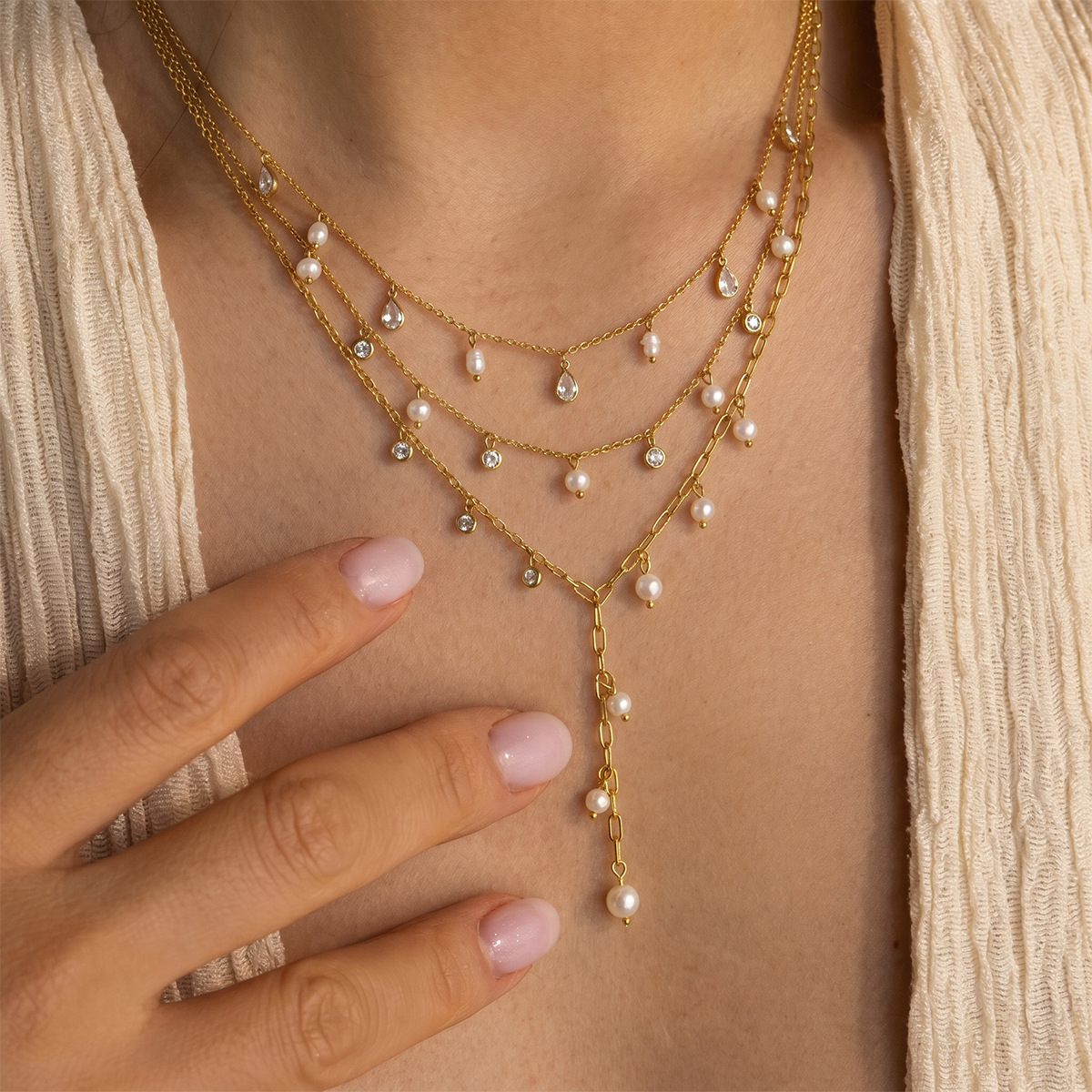
Have you ever wondered is stainless steel hypoallergenic when you start experiencing itching, redness, or that uncomfortable burning feeling just a few hours after wearing a ring or a pair of earrings that looked perfect in the mirror?
Do you wear Bakeware a lot, or have you ever stopped to think about how your skin actually reacts to different metals?
If that sounds familiar, you’re definitely not alone. For many people with sensitive skin, jewelry is not just an accessory — it can quietly become a daily trigger you didn’t expect.
What’s frustrating is that it doesn’t always happen immediately. Sometimes your skin reacts after a few wears, sometimes within minutes, and sometimes it comes and goes depending on sweat, weather, or even your skincare routine.
At some point, most people start questioning the material itself and begin searching for answers, hoping to understand whether switching metals could actually make a difference.
That’s exactly why this question keeps coming up more and more:
Is stainless steel hypoallergenic?
“Hypoallergenic” Doesn’t Mean Zero Reactions
A lot of people assume that when a product is labeled “hypoallergenic,” it means it will never cause any reaction at all.
In reality, that’s not how it works.
Hypoallergenic simply means the material is less likely to trigger allergic reactions, especially compared to common irritants like low-quality alloys or nickel-heavy metals.
So instead of thinking of it as a guarantee, it’s better to think of it as a reduction in risk, not a complete elimination of risk.
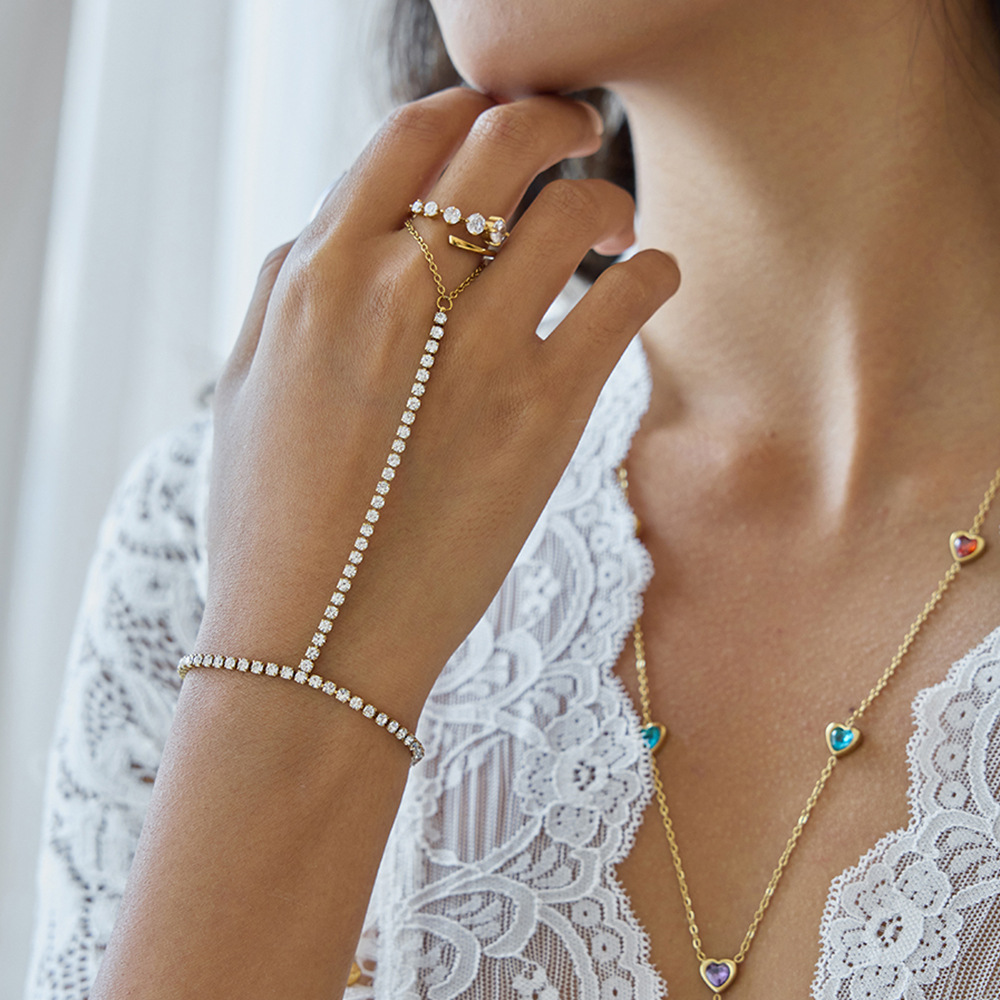
Why Stainless Steel Works So Well for Sensitive Skin
The main reason stainless steel performs well on skin is its stability.
Unlike cheaper metals that can oxidize or break down over time, stainless steel maintains its structure even when exposed to sweat, water, and daily wear.
This means it is far less likely to release particles that irritate the skin.
Another key advantage is consistency. Whether you wear it in the shower, at the gym, or throughout a long day, it tends to behave the same way — without unpredictable reactions.
How Does Stainless Steel Compare to Other Jewelry Materials?
When choosing everyday jewelry, the material plays a major role in how it feels, lasts, and performs over time. Compared to many traditional jewelry materials, stainless steel offers a balanced combination of practicality and comfort.
Here’s how it stands out:
✔ Stable in daily wear
Stainless steel is highly stable and does not easily react with sweat, moisture, or everyday environmental changes. This makes it reliable for long-term use without unpredictable skin reactions.
✔ Low maintenance material
Unlike materials that require frequent polishing or special care, stainless steel is easy to maintain. It keeps its appearance with minimal effort, making it ideal for everyday jewelry.
✔ Long-lasting appearance
It is resistant to fading, tarnishing, and discoloration. Even with frequent wear, stainless steel tends to maintain its clean and polished look over time.
✔ Practical for everyday lifestyle
Because it combines durability and comfort, stainless steel fits naturally into daily routines. You can wear it continuously without worrying about constant maintenance or damage.